Water Service Upgrade in Kitsap County with Directional Boring
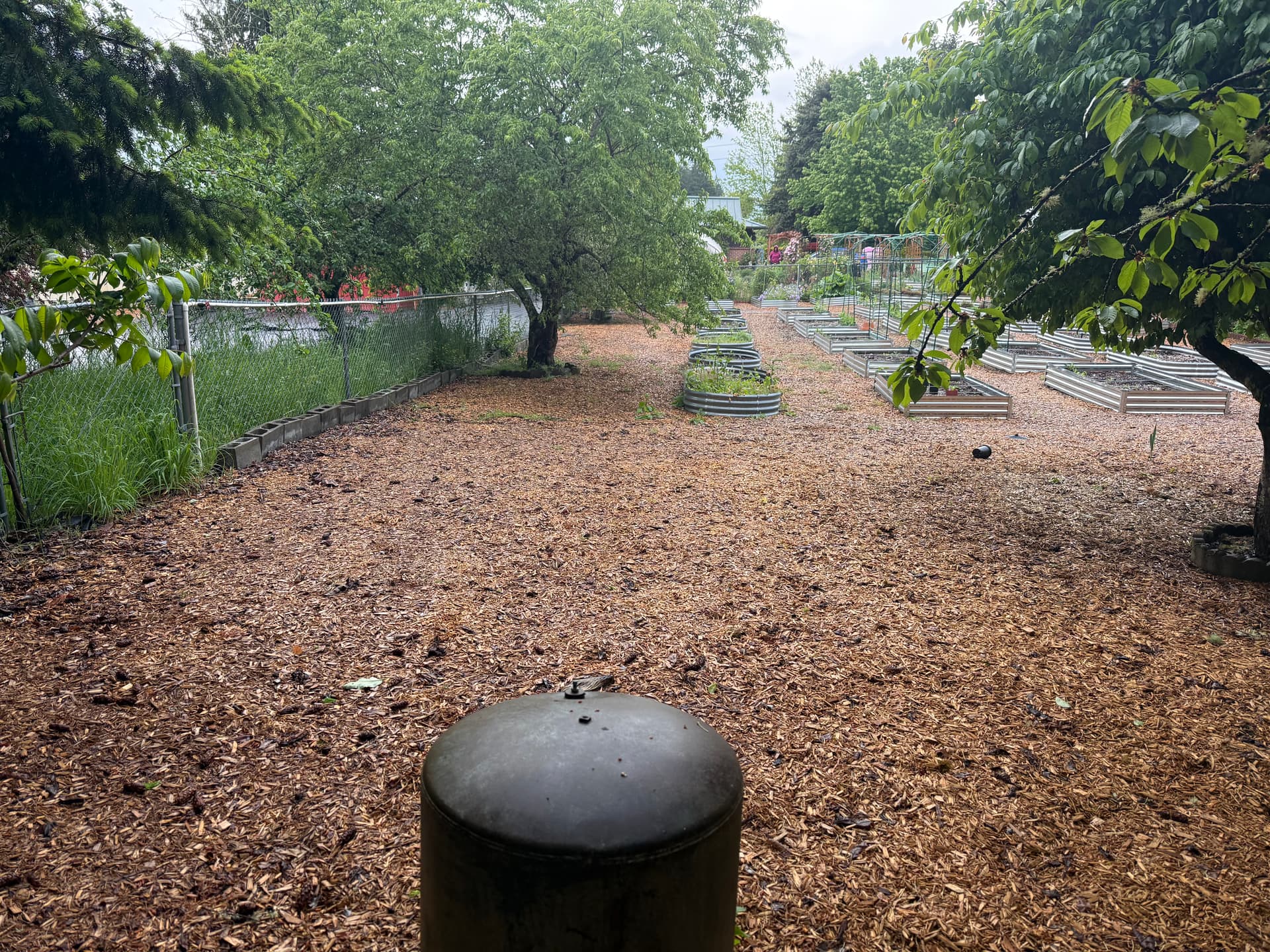
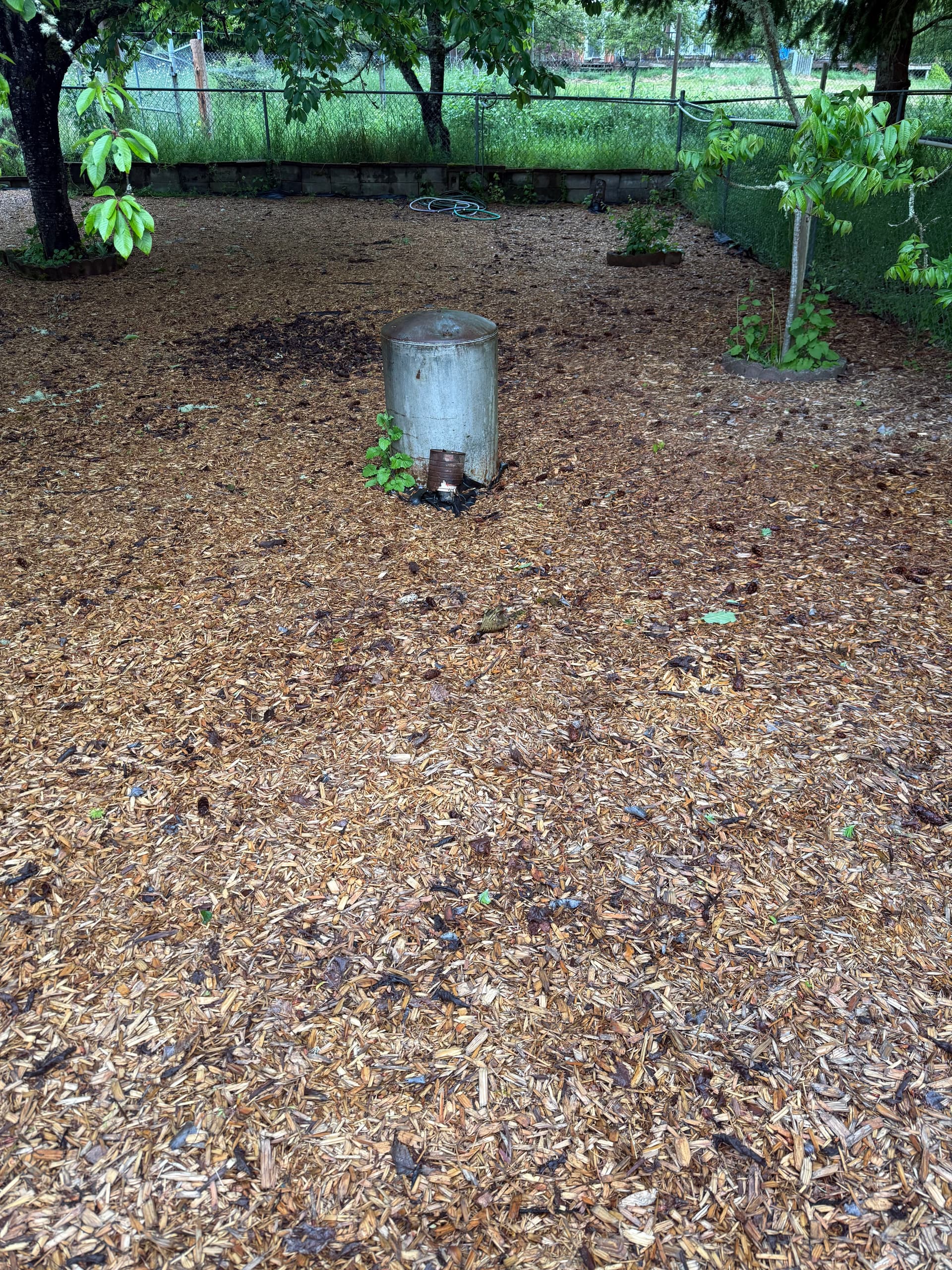
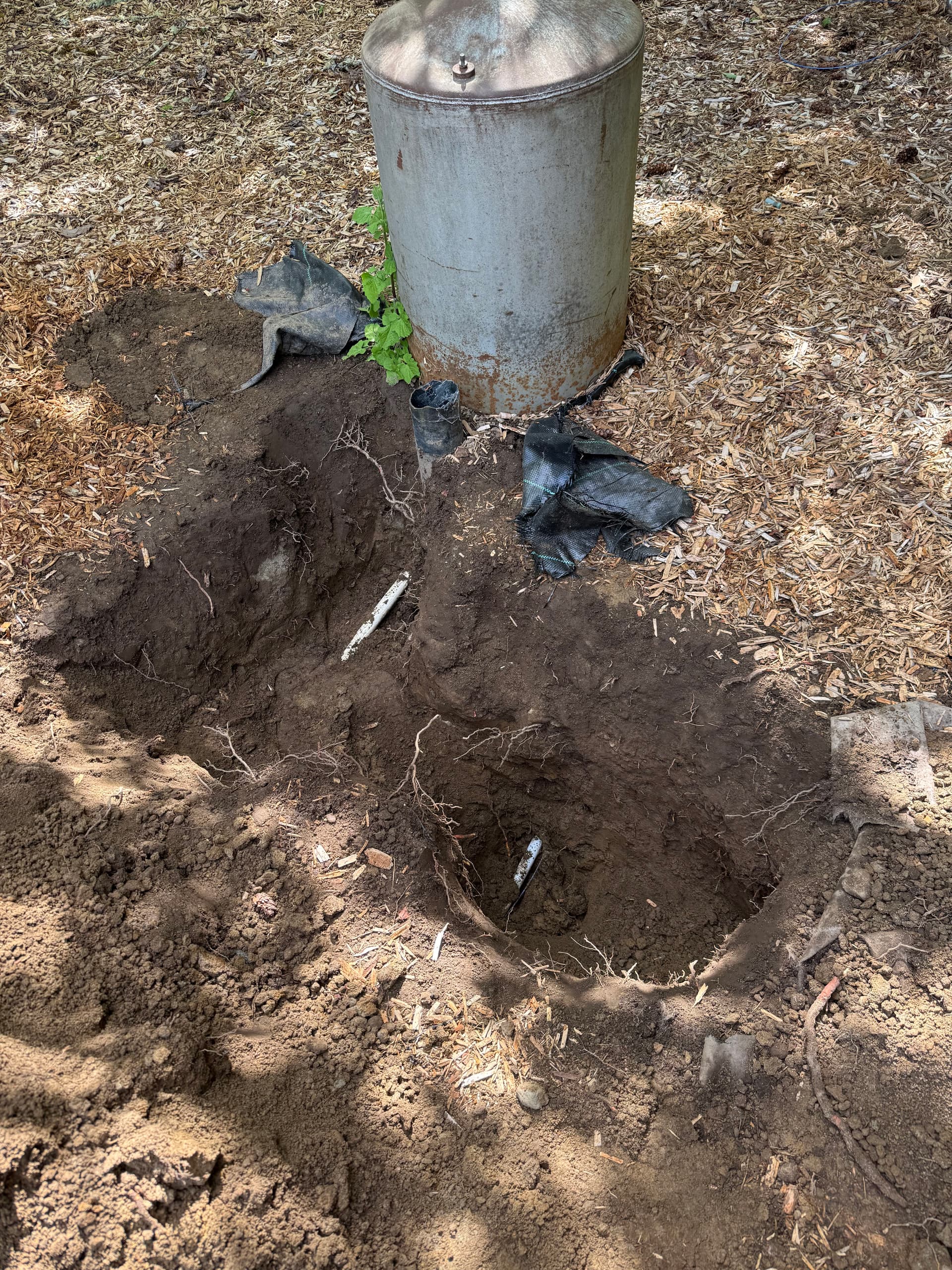
Most homeowners don't think about their water line until something goes wrong. Low pressure, a soggy spot in the yard that won't dry up, or water that just doesn't flow the way it used to - those are all signs a line may be failing. That's exactly the kind of situation we dealt with on this job in Kitsap County.
The existing water service line was done. Age catches up with everything underground eventually, and this one had run its course. The challenge with a job like this isn't just replacing the line - it's doing it without tearing apart a yard that the homeowner has clearly put a lot of work into. Garden beds, mature trees, established landscaping. A traditional open-cut approach would have left a real mess.
So we used directional boring. Instead of trenching the full length of the run, we bore underneath the ground horizontally and pull the new line through. The result is a clean new water service with only small access points at each end - no long trench, no major surface disruption. It's the right method when there's something worth protecting above ground.
That's what makes directional boring such a useful tool for water main work. Less digging means less restoration afterward. The yard stays mostly intact, the landscaping survives, and the homeowner ends up with a reliable new line without a torn-up property. It's a cleaner job start to finish.
If you're dealing with low pressure, unexplained wet spots, or you just know your water line is old, it's worth getting eyes on it before it becomes an emergency. We can help figure out what's going on and what the best fix looks like for your specific situation.