Puyallup Shower Leak Traced to Failed Tile Surround and Fixed Right
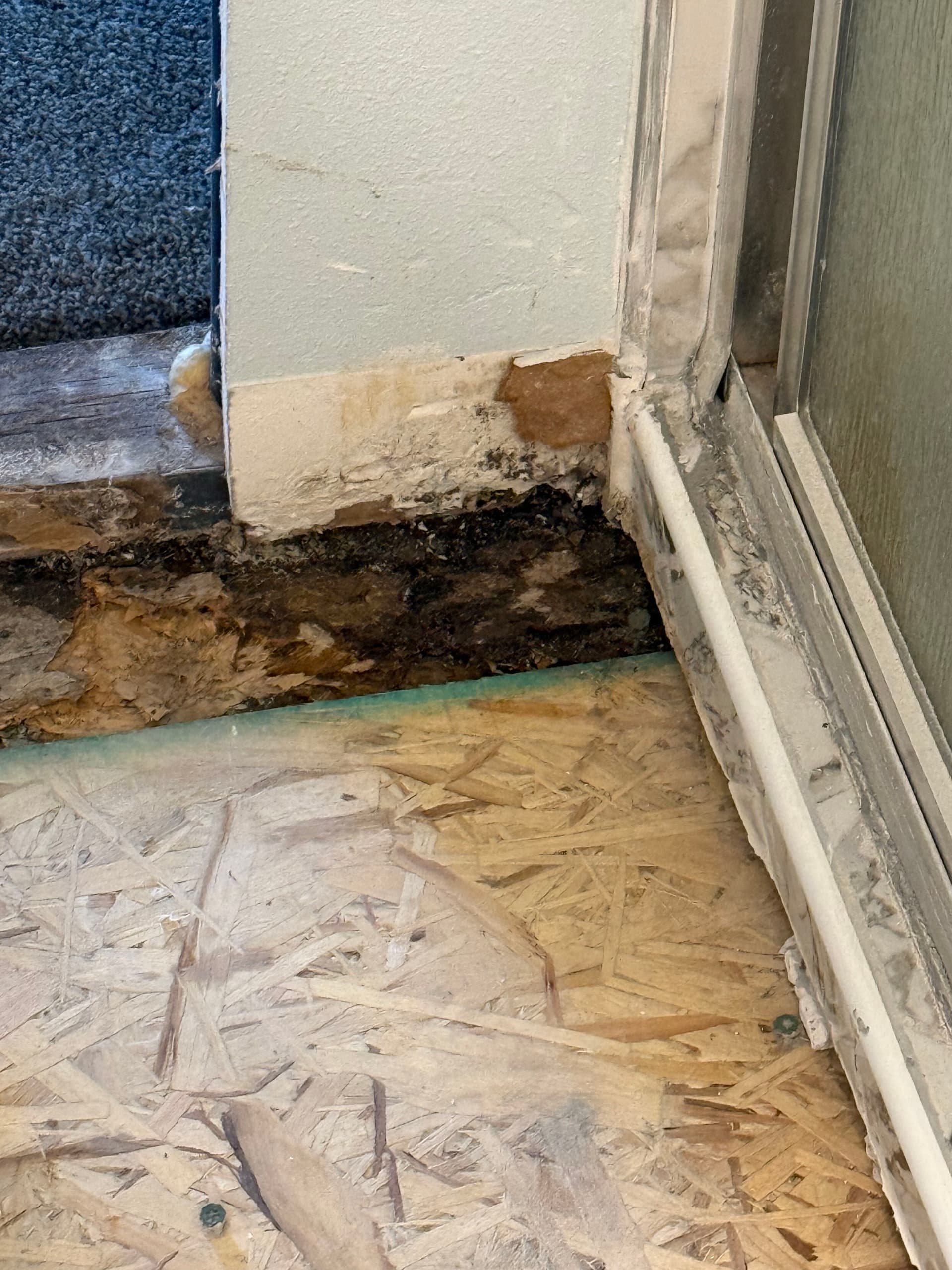
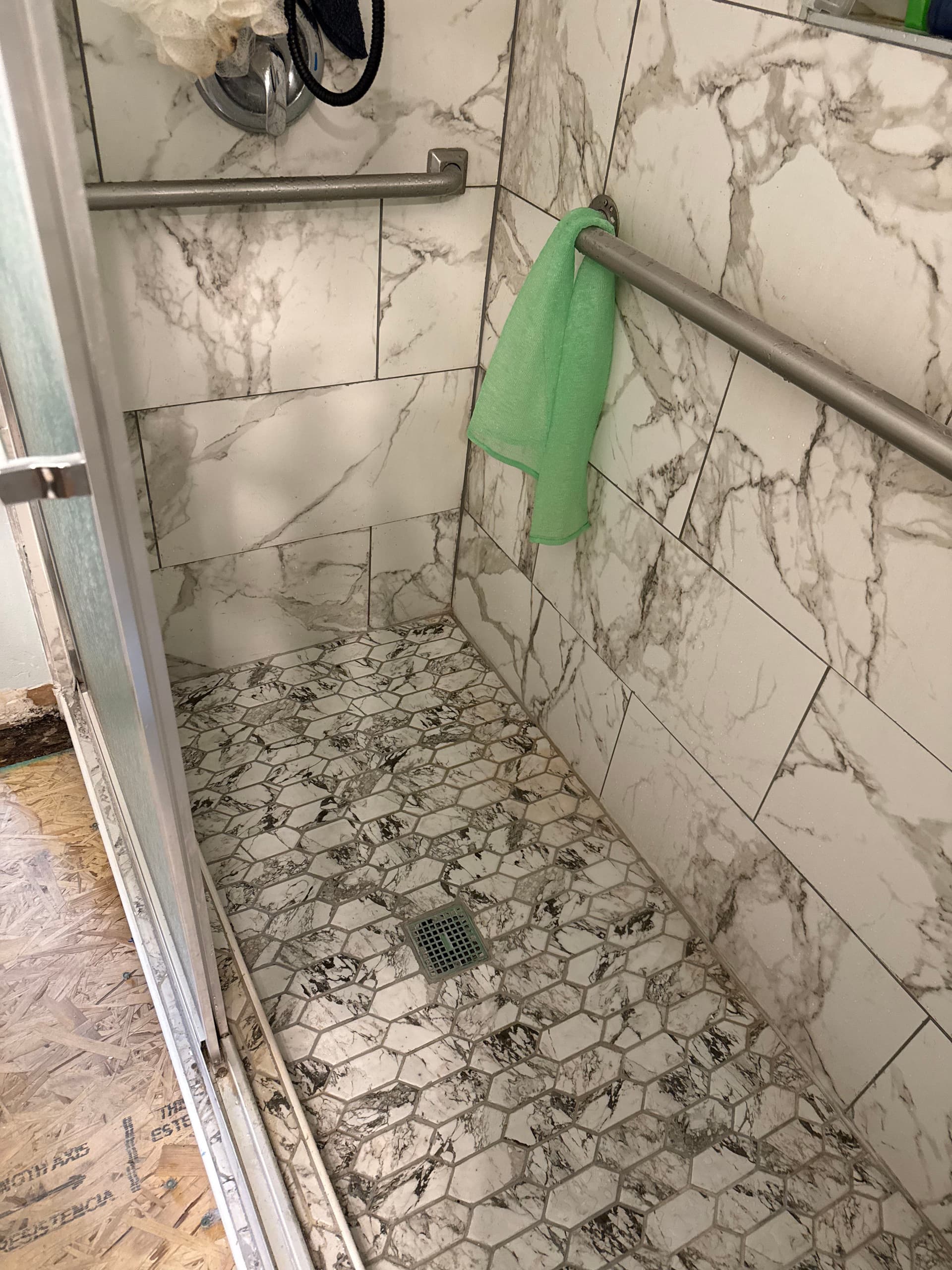
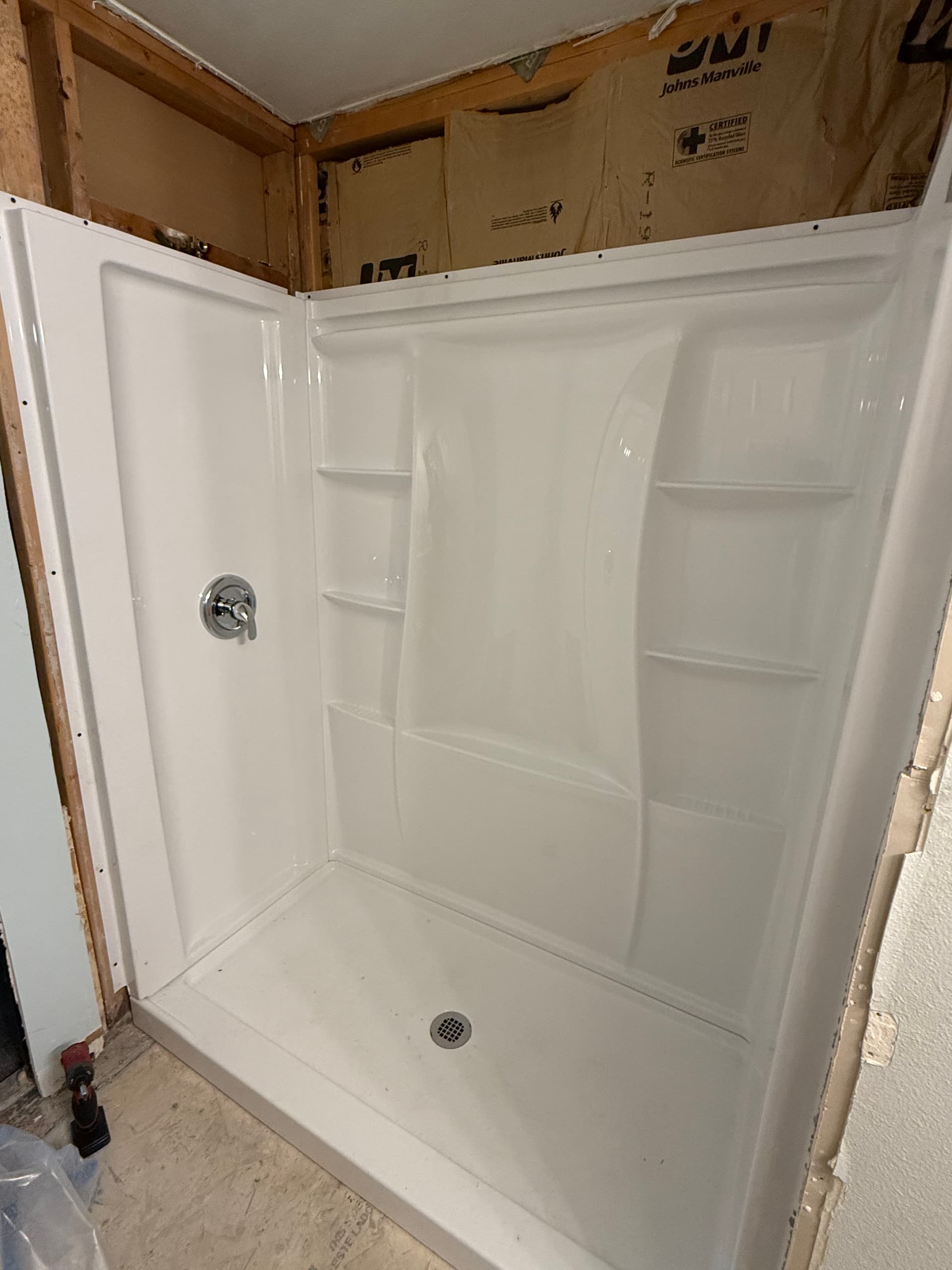
What looked like a simple plumbing leak turned out to be something much worse. The older tile surround had been letting water through for long enough that it rotted out the subfloor at the shower threshold - dark, saturated wood with visible mold working its way into the framing. That kind of damage doesn't show up overnight. It builds quietly until one day the floor feels soft or the baseboards start crumbling.
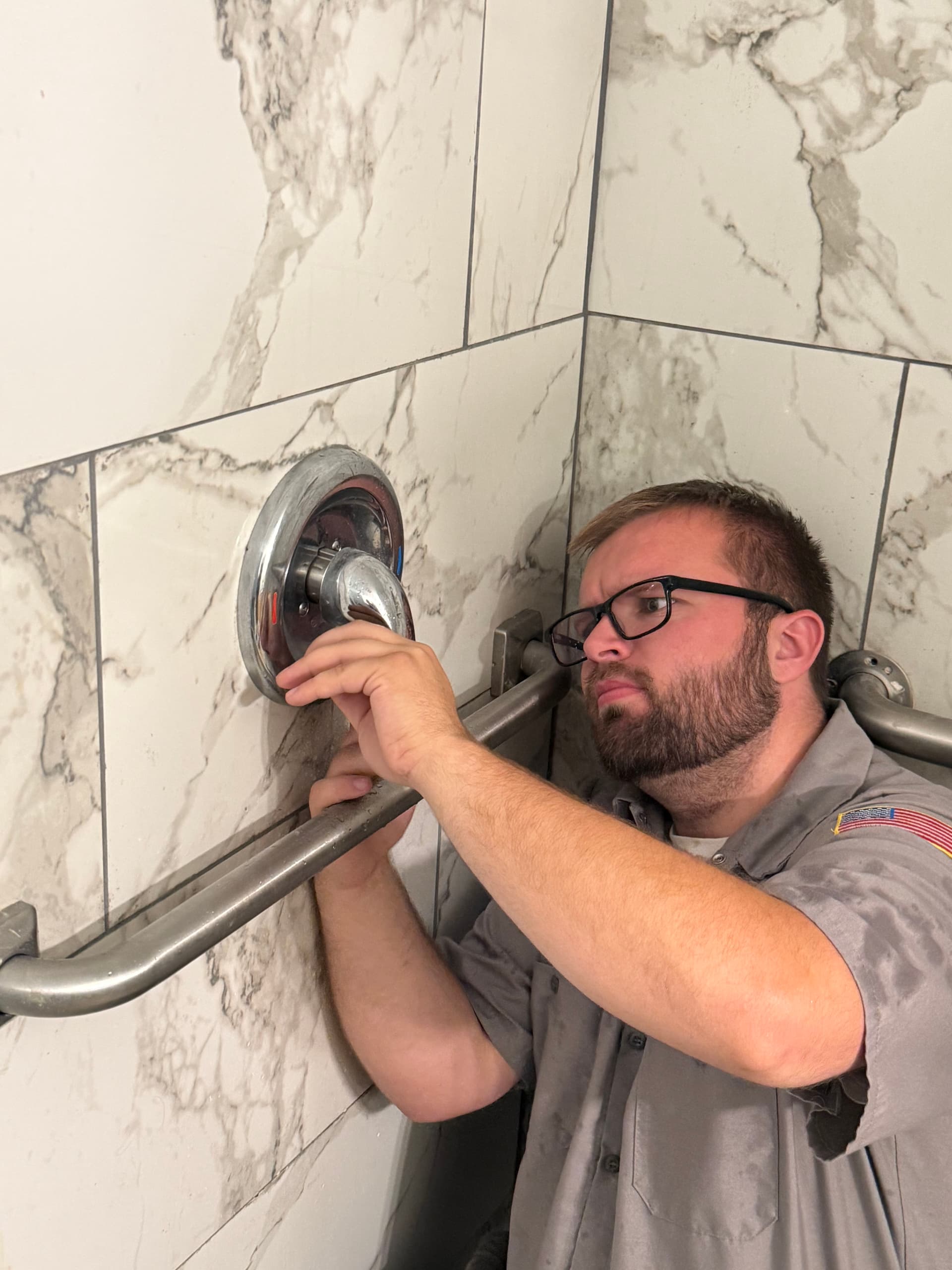
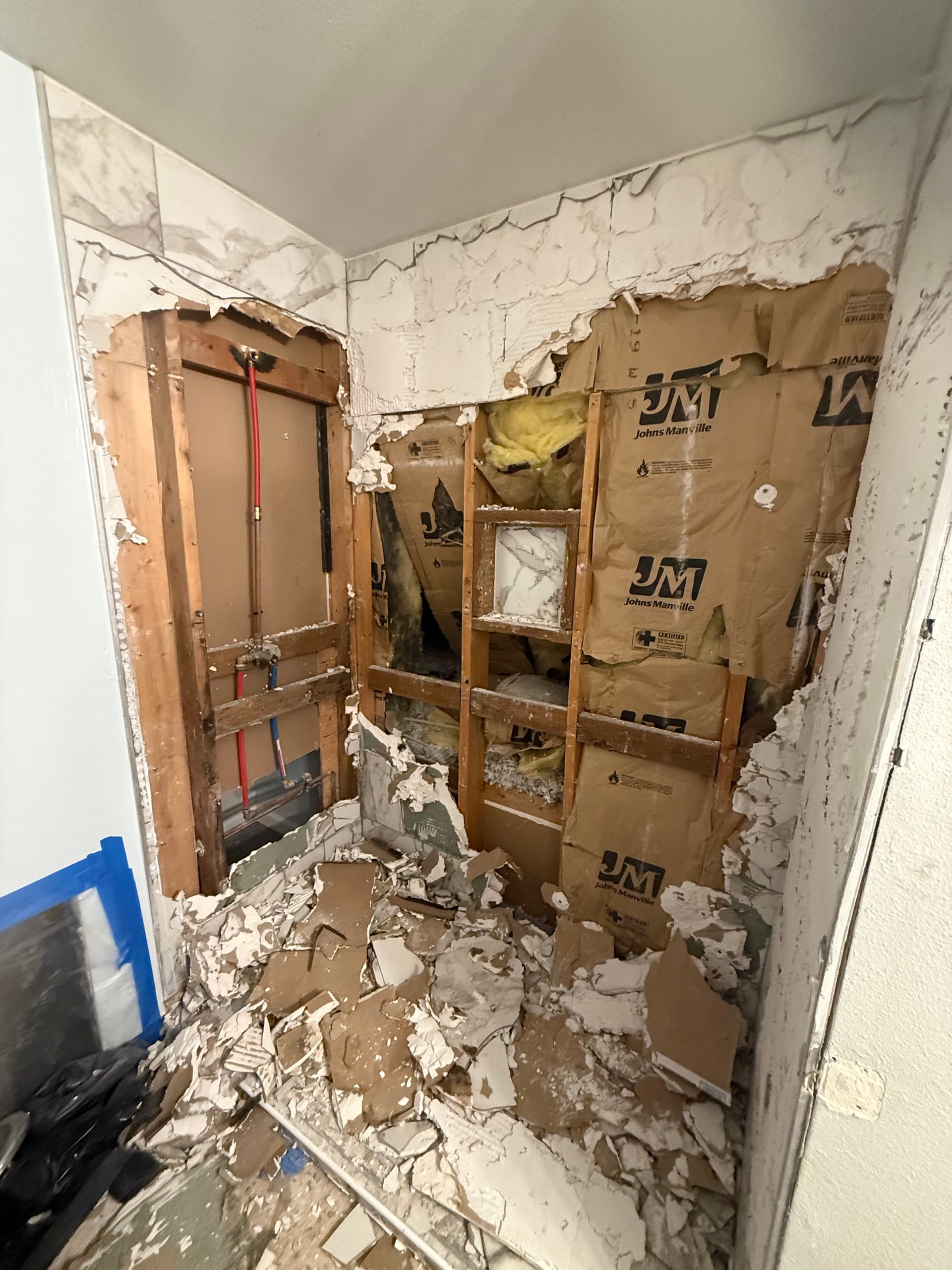
Once we got in there and stripped everything down to the studs, we could see the full picture. The valve piping needed to be corrected, and the drain had to be relocated to work properly with the new setup. Doing it right meant doing it in the right order - plumbing first, then building the shower around it. Skipping steps here is exactly how you end up back in the same situation a few years later.
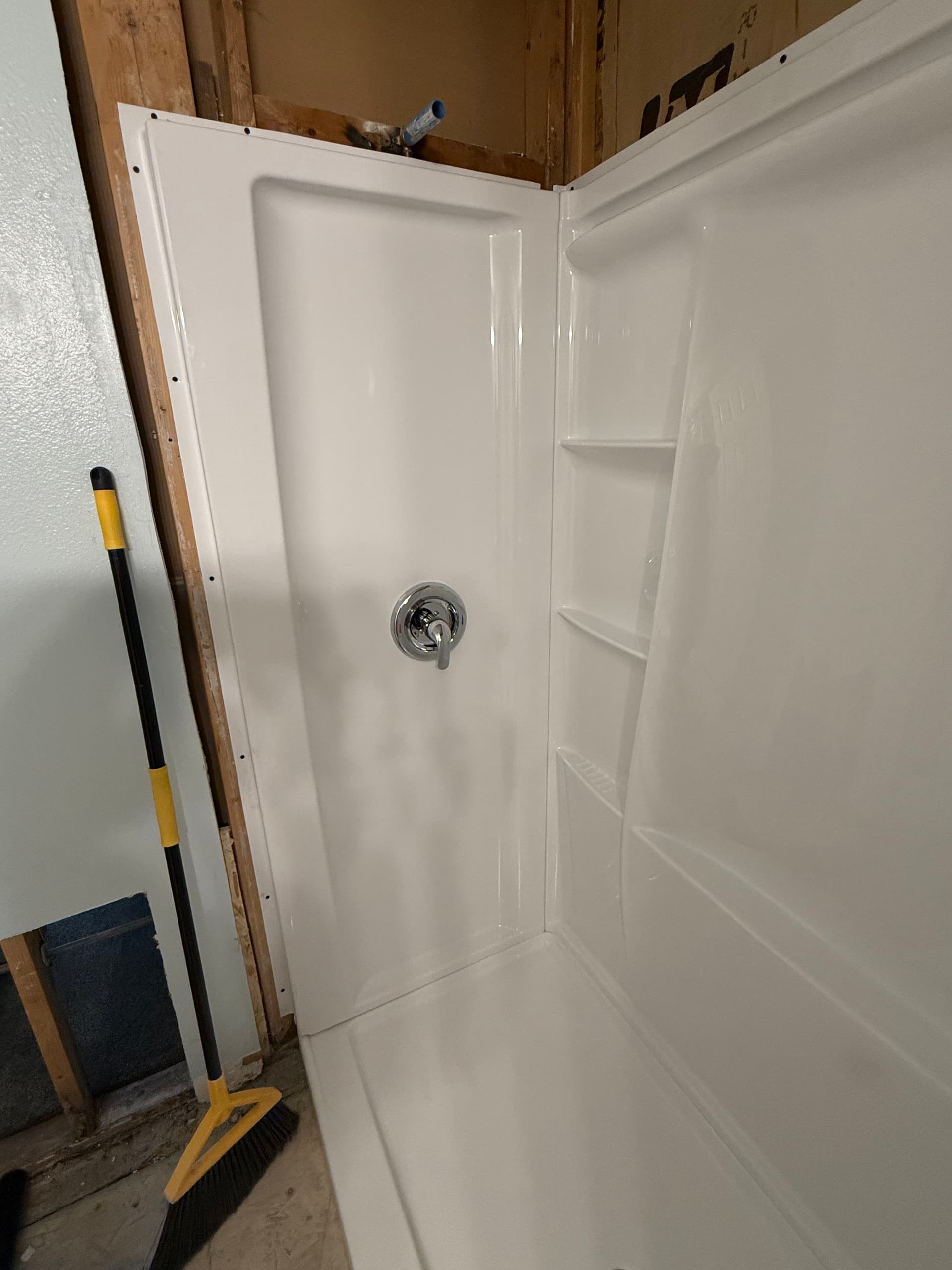
We installed a new fiberglass shower system in place of the old tile surround. The reason we go this route on jobs like this is straightforward - fiberglass has no grout lines for water to work through. It's one continuous surface, which means there's nowhere for moisture to sneak behind the walls and start the damage cycle all over again. It also holds up a lot easier to clean over time.
The valve trim and drain are set, the unit is seated clean against the walls, and the subfloor damage underneath has been addressed. What started as a leak complaint is now a bathroom that's actually built to hold water where it belongs - inside the shower, going down the drain.