Old Qest Angle Stops Replaced Before the Next One Failed
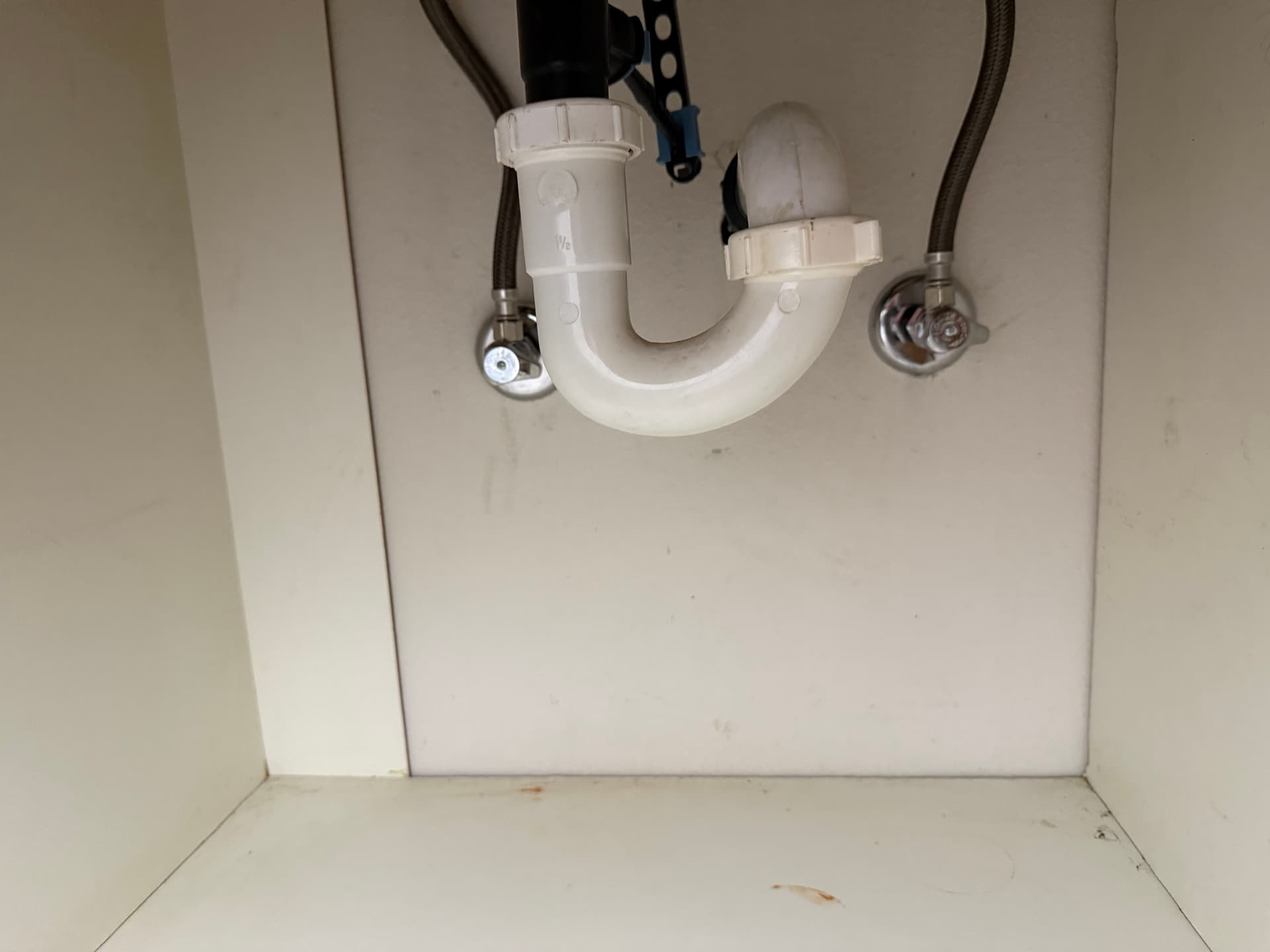
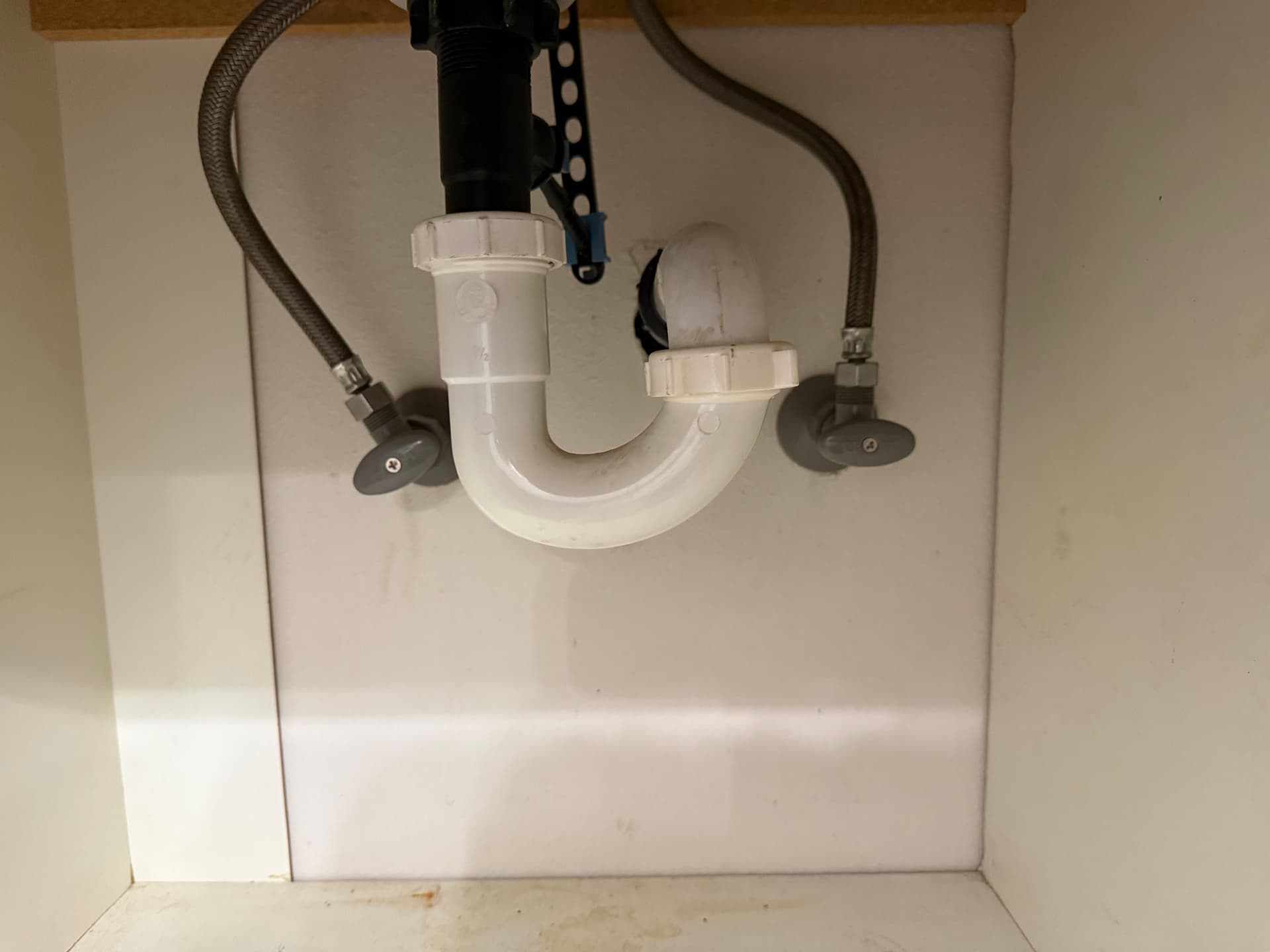
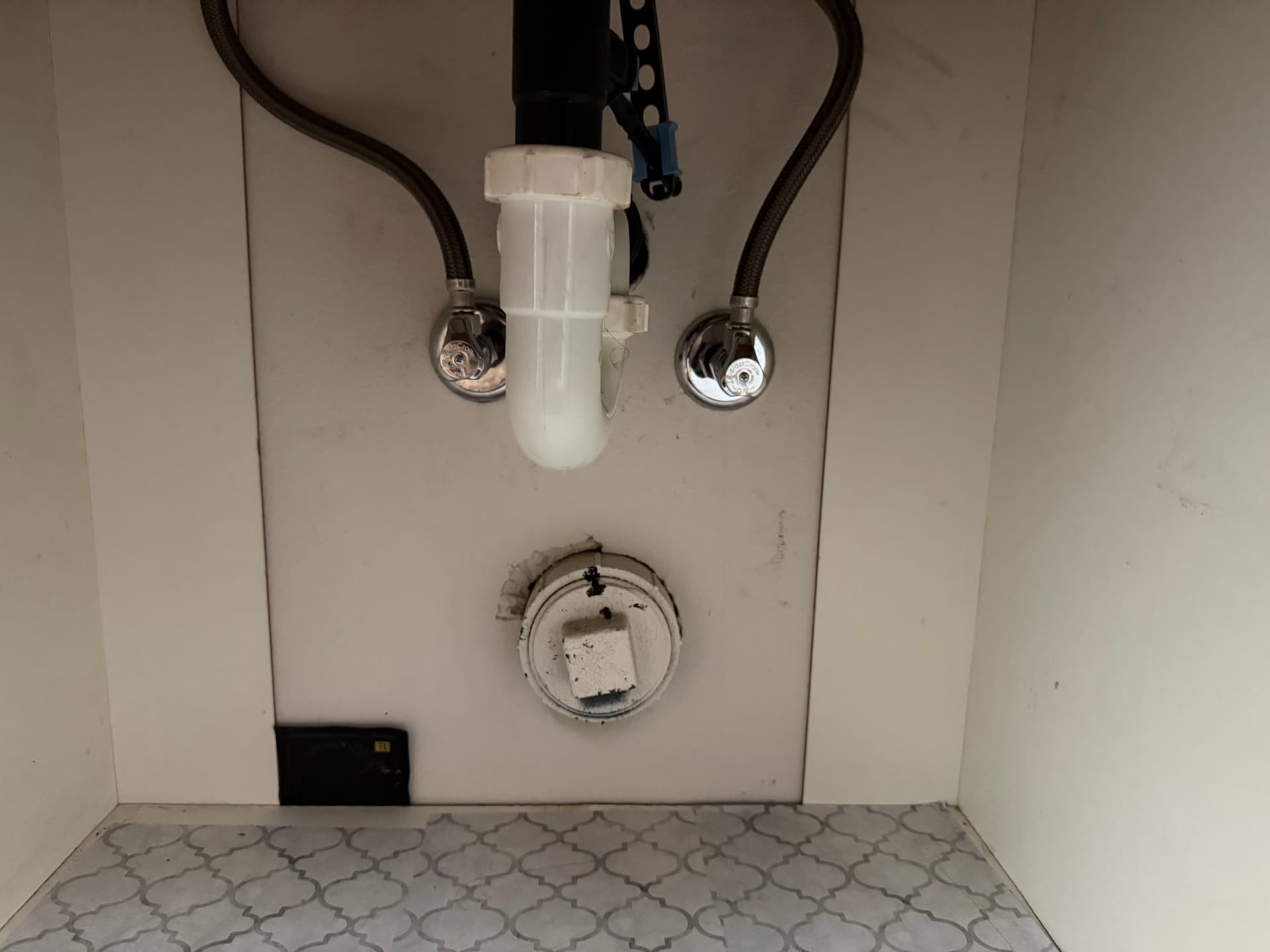
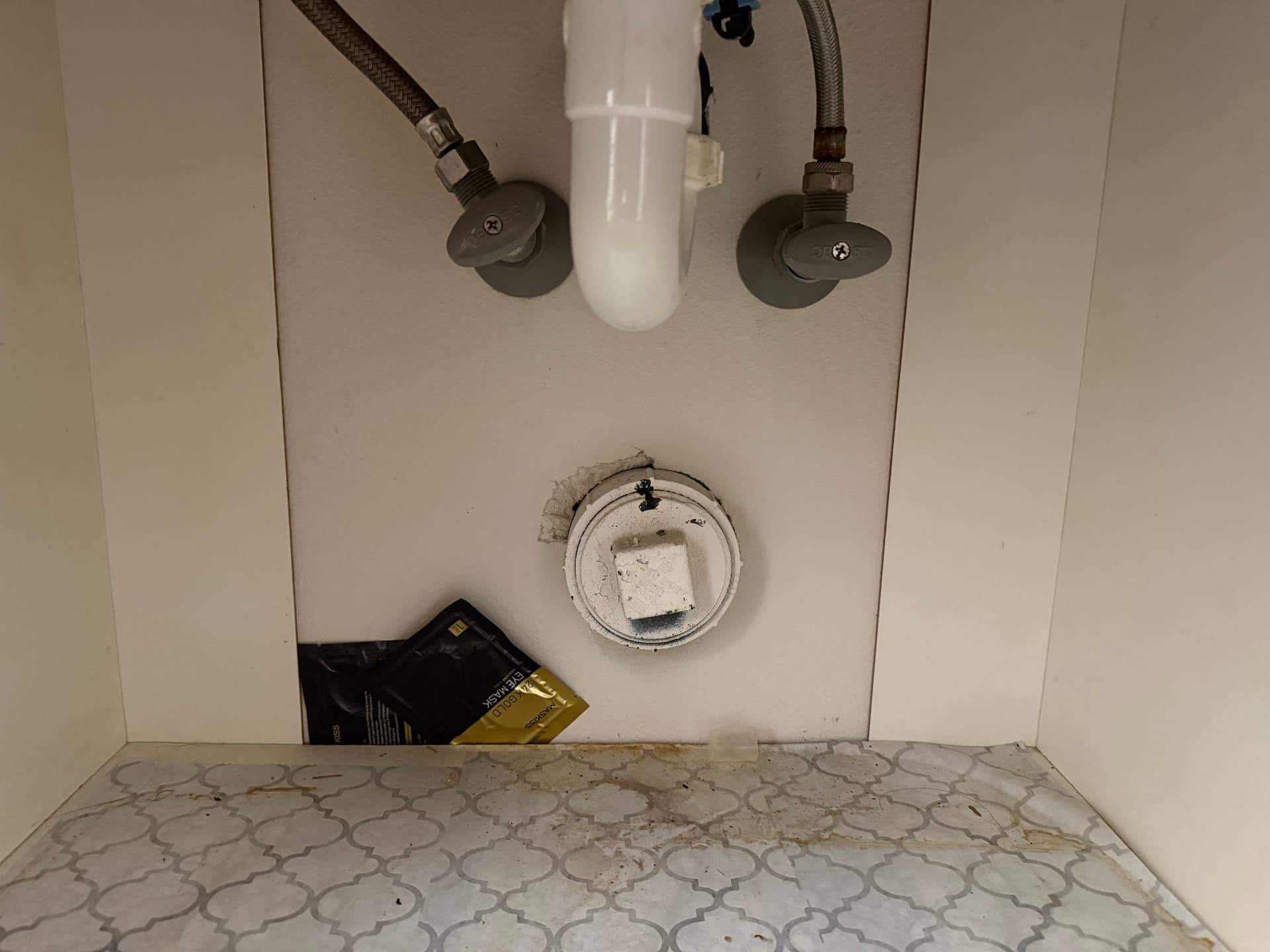
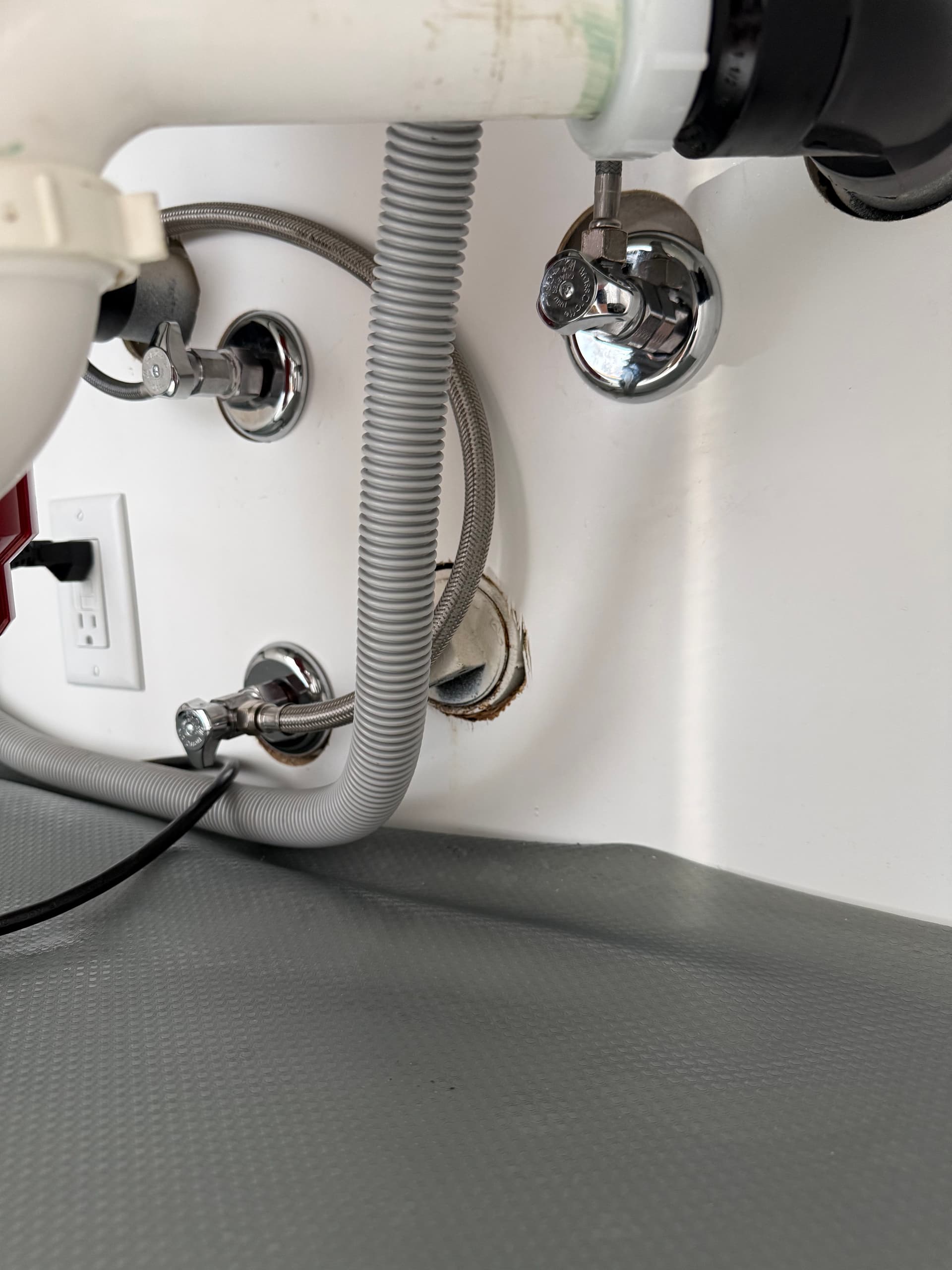
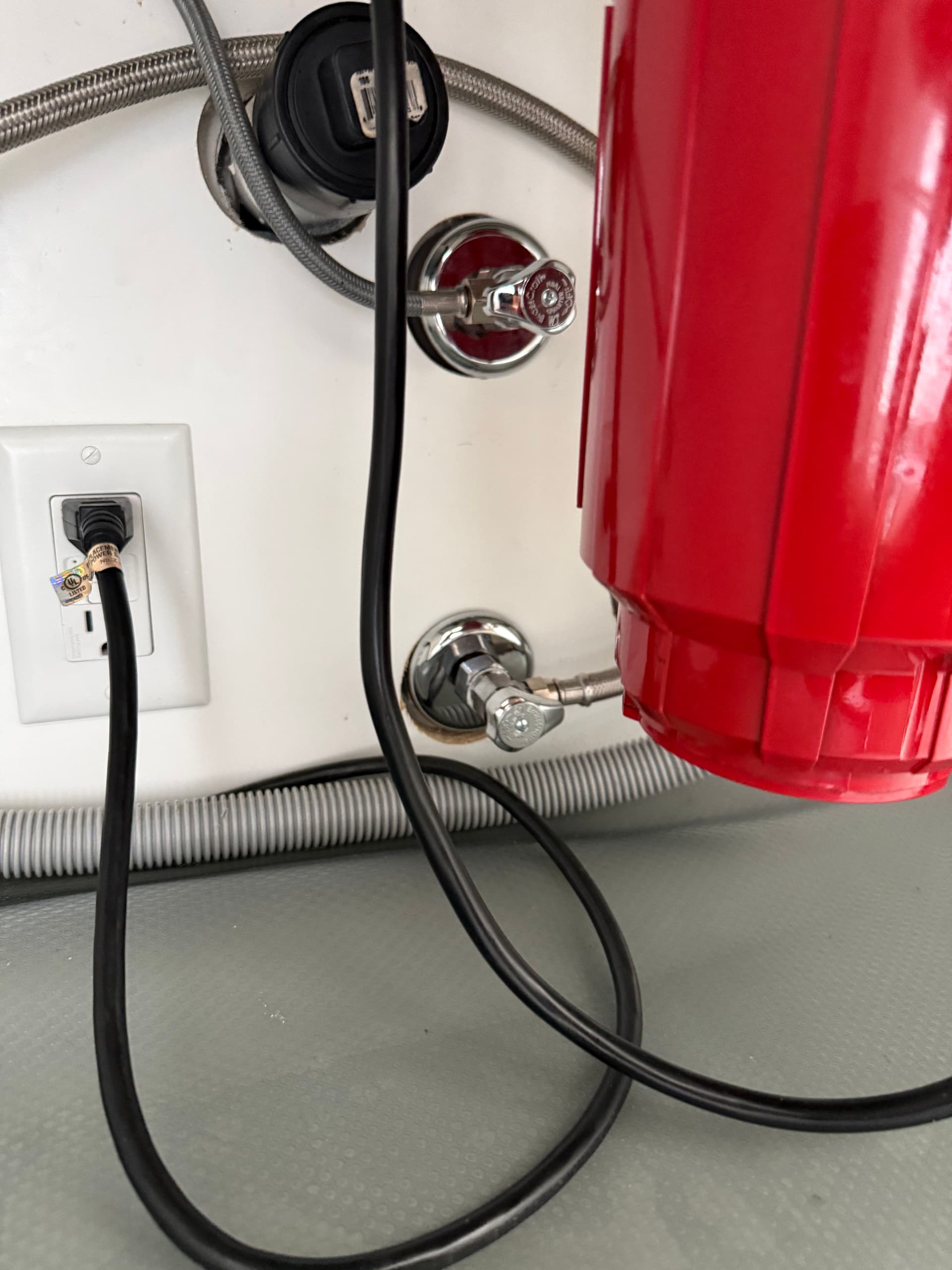
One valve let go - and that was enough of a warning. We went through the rest of this home and swapped out all the remaining Qest angle stops before another one could fail. That's the right call. These older plastic-bodied valves get brittle over time, and when they finally give out, you're not dealing with a slow drip. You're dealing with water on the floor, soaked cabinet bases, and a mess that costs way more to fix than the valves ever would have.
Qest plumbing was common in homes built in the 70s through the 90s. The material holds up for a while, but it doesn't last forever. The stems dry out, the bodies crack, and the valves stop shutting off reliably - sometimes they don't shut off at all. By the time one fails, the others are usually not far behind. That's exactly what we were looking at here.
We replaced everything with new quarter-turn brass angle stops and fresh braided supply lines throughout. Quarter-turn valves are a big upgrade over the old compression-style stops. One quarter turn and the water is fully off. No wrestling with a stiff valve under the sink while water is spraying. Clean, reliable, and built to last.
The before shots tell the story pretty clearly - those old Qest stops show their age. The after is a different picture entirely. New stops, new lines, tight connections at every location across multiple sinks in the home. This is the kind of preventive general plumbing work that most homeowners don't think about until something goes wrong. Getting ahead of it is always the smarter move.
If your home still has the original angle stops and they've never been replaced, it's worth having someone take a look. You don't have to wait for one to fail to take action.