Who's Really Doing the Plumbing on Your Remodel? Why Homeowners Need to Ask
Learn why hiring a licensed plumbing contractor for your home remodel matters. Avoid costly leaks, code violations, and improper installations.
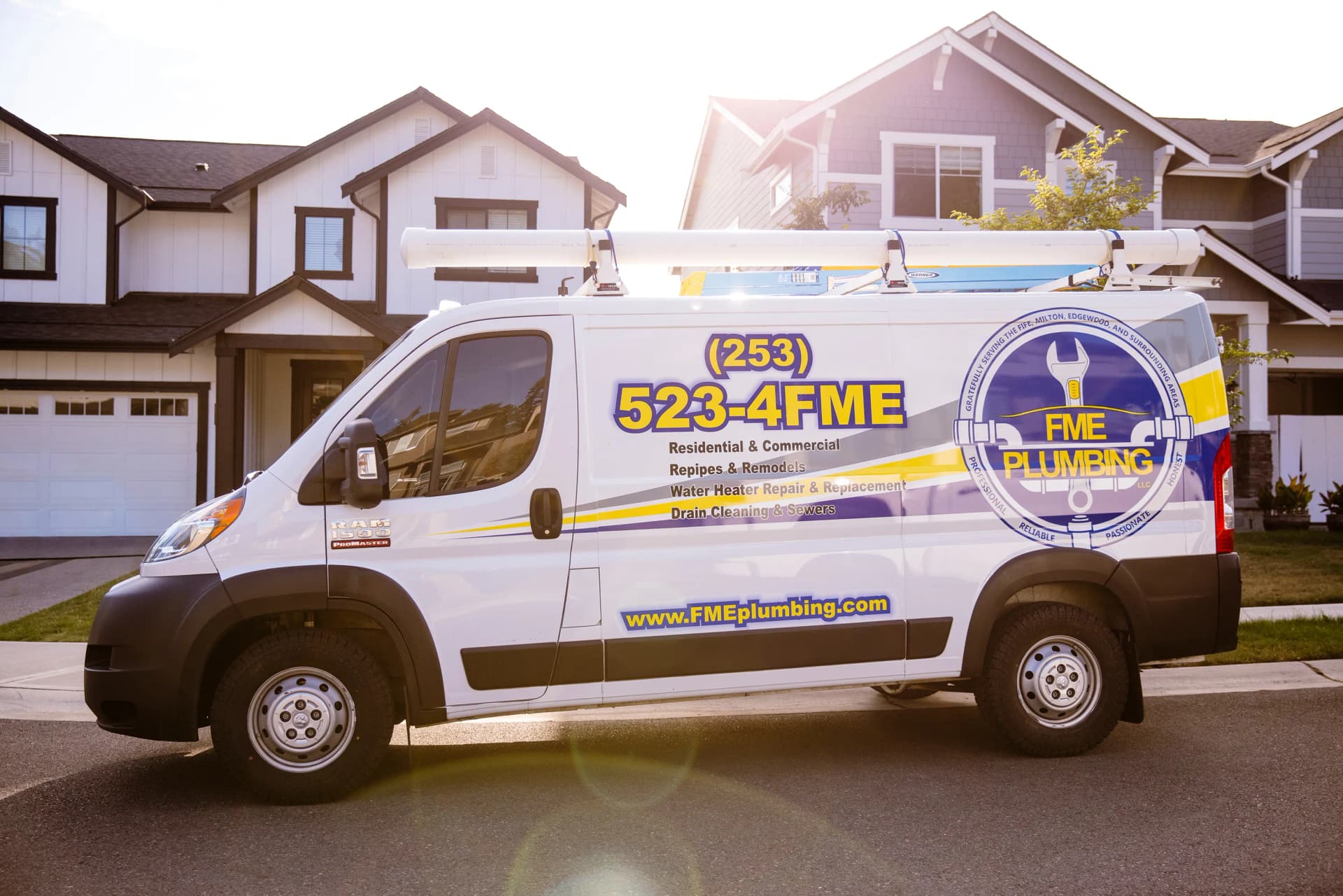
A beautiful remodel means nothing if the plumbing behind the walls isn't done correctly.
When you're investing thousands, or even tens of thousands, of dollars into remodeling your home, you expect the work to be done professionally, safely, and according to code.
You hire a general contractor, discuss your vision, agree on a price, and trust that the people working on your home are qualified to perform the work.
But here's a question more homeowners should be asking:
"Who is actually doing my plumbing, and are they properly licensed?"
At FME Plumbing, we've recently encountered a concerning number of situations where plumbing work performed during remodeling projects was improperly installed. We've seen incorrect fittings, improperly sized piping, questionable installation practices, and even leaks resulting from work that should have been done correctly the first time.
These aren't just cosmetic issues. They're problems that can lead to expensive repairs, property damage, and potentially unsafe conditions.
Not All Contractors Are Licensed Plumbers
General contractors play an important role in construction and remodeling. A good GC coordinates schedules, manages subcontractors, oversees the project, and makes sure the different trades work together.
But being a registered general contractor in Washington State does not automatically qualify someone to perform regulated plumbing work.
Washington has specific plumbing contractor licensing, plumber certification, permitting, and inspection requirements.
Plumbing is a skilled trade that requires extensive training, experience, and knowledge of applicable codes.
There's a reason professional plumbers spend years learning their trade.
It's about far more than connecting pipes.
What Can Go Wrong When Plumbing Isn't Done Properly?
Some plumbing mistakes are immediately obvious. Others can remain hidden behind walls, underneath floors, or inside ceilings for months or even years.
Here are some of the problems we've encountered or regularly watch for:
1. Improper fittings and materials
Not every fitting sold at a hardware store is approved for every plumbing application. Different piping materials require specific joining methods, compatible fittings, and installation procedures.
Using the wrong products can lead to leaks, premature failures, and code violations.
2. Improperly sized water piping
Water distribution systems need to be sized based on fixture demand, available pressure, developed pipe length, and other factors.
Incorrect sizing can result in poor water pressure, inadequate flow, and performance problems when multiple fixtures operate simultaneously.
3. Incorrect drain and vent installations
Drainage systems require proper pipe sizing, slope, venting, and approved fittings.
An improperly installed drain may appear to work initially but eventually cause recurring clogs, slow drainage, sewer odors, or other problems.
4. Hidden leaks and water damage
One of the biggest concerns with improperly installed plumbing is what happens after the drywall goes back up.
A poorly made connection inside a wall can leak slowly and go unnoticed until significant damage has occurred.
By the time the problem becomes visible, the repair may involve removing cabinets, flooring, drywall, or other newly finished materials.
5. Missing permits and inspections
Permits and inspections are important safeguards. They provide an opportunity for the work to be reviewed for compliance with applicable requirements.
When required permits aren't obtained, plumbing problems may remain undiscovered until the homeowner experiences a failure or attempts to sell the property.
"But My General Contractor Said He Could Do It."
This is where homeowners need to be careful.
A general contractor may be extremely talented at framing, cabinetry, tile, drywall, and managing an entire remodeling project.
That doesn't necessarily mean they're qualified or legally authorized to install your home's plumbing system.
And just because someone has been doing plumbing work for years doesn't automatically mean they're properly credentialed.
Experience matters. Licensing matters. Code knowledge matters.
A properly licensed plumbing contractor brings more than tools to the job. They bring training, accountability, knowledge of approved materials and installation practices, and an understanding of the permitting and inspection process.
Five Questions Every Homeowner Should Ask Before Remodeling
Before signing a remodeling contract, ask your general contractor:
Who will be performing the plumbing work? Ask for the name of the plumbing company, not just an assurance that someone on the crew can handle it.
Is the plumbing subcontractor properly licensed? Verify the contractor's credentials through Washington State Labor & Industries.
Will qualified, appropriately certified plumbers perform the installation? Make sure the individuals doing regulated plumbing work have the credentials or supervision required by Washington law.
Will the necessary plumbing permits be obtained? Ask who is responsible for obtaining permits and scheduling inspections.
Will the plumbing be inspected before the walls and floors are closed? Don't allow important work to disappear behind finished surfaces before required inspections are completed.
You can verify Washington contractor registration information through the Department of Labor & Industries at www.Lni.wa.gov.
The Cheapest Bid Isn't Always the Least Expensive Option
We understand that remodeling is expensive.
Homeowners naturally look for ways to control costs, and sometimes a general contractor may offer to handle plumbing work rather than bringing in a separate plumbing subcontractor.
But saving money upfront doesn't mean much if the work fails later.
Consider the cost of tearing out a newly remodeled shower because the valve or piping was installed incorrectly.
Or opening a finished ceiling to repair a leaking drain.
Or discovering that an unpermitted bathroom addition needs corrections before the home can be sold.
Doing the job correctly the first time is almost always a better investment than paying to do it twice.
Good General Contractors Welcome Qualified Subcontractors
We want to be clear: This isn't an argument against general contractors.
We work with general contractors, restoration companies, property managers, and other construction professionals. We value those relationships.
The best contractors understand the importance of bringing qualified tradespeople onto their projects.
They recognize that licensed electricians, plumbers, and other specialty contractors contribute expertise that protects both the project and the homeowner.
Hiring qualified subcontractors isn't a weakness. It's a sign of professionalism.
Protect What's Behind Your Walls
At FME Plumbing, we believe homeowners deserve to know who is working on their plumbing systems and whether that work is being performed correctly.
Our team brings decades of plumbing industry experience to residential and commercial projects throughout Pierce, King, Kitsap, and Thurston counties.
Whether you're remodeling a kitchen, adding a bathroom, relocating fixtures, or updating aging piping, plumbing should never be an afterthought.
Before your next remodel, ask the questions. Verify the credentials. Make sure the proper permits and inspections are part of the plan.
Because the most important parts of your remodel might be the parts you'll never see.
FME Plumbing, LLC
Family-Owned. Locally Trusted.
Proudly serving Pierce, King, Kitsap, and Thurston counties.
Licensed Plumbing Contractor: FMEPLPL742B8
Call: (253) 448-3471
Website: www.FMEplumbing.com
Planning a remodel? Contact FME Plumbing to discuss your plumbing needs before construction begins.