Handling Plumbing Emergencies Effectively
Manage plumbing emergencies swiftly with these essential steps. Learn how to minimize damage and safeguard your home until professional help arrives.
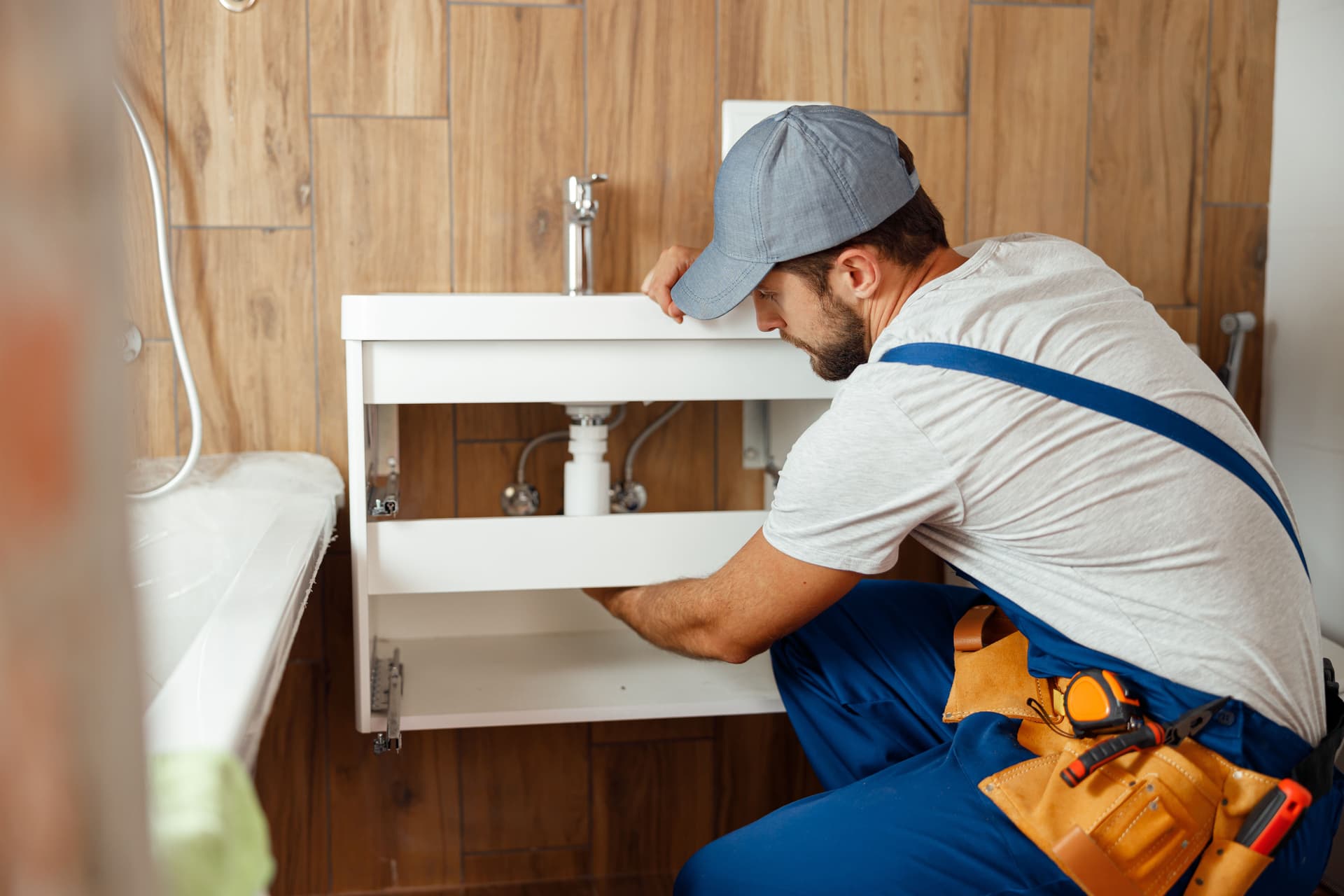
Rapid Action: Your First Step When Trouble Strikes
Plumbing emergencies can transform a quiet day into a distressing scramble, and knowing how to respond quickly is essential to minimize damage. Picture a sudden burst pipe or an unexpected leak—immediate action makes all the difference. In this introduction, we address common plumbing emergencies and offer initial response tips that could save you time and money. You'll learn how to identify potential issues such as flooding leaks, clogged drains, and even the dangers of a frozen pipe in colder climates.
Key first steps include:
Turning off the main water supply to limit further leakage.
Assessing the situation safely without risking your well-being.
Locating essential shut-off valves and emergency tools.
Noting unusual water humidity or pressure changes that may signal a hidden issue.
Understanding your plumbing system boosts your confidence to act swiftly, especially in areas like Fife, WA, where seasonal shifts can trigger unexpected problems. This guide sets the stage for practical, actionable solutions that empower you to safeguard your home, manage damage effectively, and prepare for any plumbing crisis you might face.
Quick Steps to Tame a Plumbing Crisis
When an unexpected leak strikes, immediate action can significantly reduce water damage. Follow these clear, sequential steps to manage the situation until professional help arrives:
Shut Off the Water Supply:
Locate your home’s main water valve and turn it off immediately to stop further water flow. This step is crucial to prevent extensive flooding.Clear and Protect the Area:
Remove valuables, electronics, and furniture from the affected area. Quickly mop up any standing water using towels or a mop to minimize the risk of slip hazards and further damage.Apply a Temporary Fix:
Use plumber’s tape or clamps over minor leaks to help contain the issue temporarily. These measures may slow the water flow enough to avert a larger problem.Document and Prepare:
Take photos and detailed notes of the damage. This record can be invaluable when discussing repairs with a licensed plumber.
Safety should always come first. If you detect any electrical hazards or structural concerns, evacuate the area and call emergency services immediately. Acting swiftly in areas like Fife and the broader Puget Sound region reduces cleanup costs and prevents long-term damage.
Top 7 Essential Tools for Plumbing Emergencies
When an unexpected leak or clog hits, having the right tools can mean the difference between a minor inconvenience and significant water damage. Here are seven indispensable items every homeowner should keep on hand:
High-Quality Pipe Wrench: A sturdy pipe wrench is crucial for loosening and tightening pipes swiftly during an emergency.
Durable Plunger: An effective plunger isn’t just for sinks; it can clear backed-up drains and prevent further complications.
Pipe Repair Tape: This versatile tape provides a quick fix for minor leaks, buying you time until professional help arrives.
Adjustable Crescent Wrench: Its flexibility allows you to tackle various sizes of nuts and bolts, accommodating diverse plumbing fixtures.
Drain Snake: Essential for removing stubborn clogs, a drain snake can restore flow with minimal fuss.
Water Shut-Off Tool: Quickly locating and turning off your main water valve is key to reducing damage during a burst pipe.
Reliable Flashlight with Extra Batteries: In emergencies, adequate lighting helps you assess the situation accurately and safely.
Equipped with these tools, homeowners in areas like Fife and beyond can address many issues rapidly, curbing damage and ensuring peace of mind.
Frequently Asked Questions on Plumbing Emergencies
What are the warning signs of a plumbing emergency?
Unusual sounds like gurgling, sudden water pooling, and discolored water are common indicators. Noticing these signs early can help prevent further damage.
How can I quickly shut off my water supply during an emergency?
Locate your home’s main water valve and learn how to operate it. Familiarizing yourself with this procedure is essential for minimizing damage when a leak or burst occurs.
What should I do if a pipe suddenly bursts?
Immediately shut off the water flow, then clear the area to avoid slip hazards. Use towels or buckets to control the water until professional help can assess the situation.
Are water heater leaks considered plumbing emergencies?
Yes, leaks from water heaters require prompt attention. They can lead to water damage and decreased efficiency, so shutting off the heater and water supply is advisable.
When is it best to seek professional assistance?
If you’re unable to locate the source of the leak or if the repair seems beyond basic troubleshooting, contacting a professional plumber is the safest option.
How can residents in areas like Fife, Milton, and Edgewood prepare?
Regular inspections and maintaining your plumbing system can help prevent unexpected emergencies, ensuring peace of mind.
Final Thoughts on Smart Plumbing Strategies
In wrapping up, it’s essential to remember that effective handling of plumbing emergencies relies on a careful blend of preparation, routine maintenance, and practical know-how. By understanding your home’s plumbing system and being proactive about repairs, you can quickly address issues before they escalate into costly repairs.
Key takeaways include:
Regular Assessments: Keep an eye on water pressure, unusual noises, or leaks to catch problems early.
Maintenance Plans: Schedule preventive maintenance to ensure components are working optimally.
Quick Action: In emergencies, know the shut-off valves and basic troubleshooting steps to minimize damage.
Local Considerations: Weather extremes and regional water quality factors, such as those common in the Puget Sound area, can impact system performance. Tailor your approach to handle these unique challenges.
Taking these steps not only improves the longevity of your plumbing system but also bolsters your overall home safety. Remember, being prepared means you’re never caught off guard. Explore additional resources on home maintenance to stay informed and empowered when facing unexpected plumbing challenges. Your proactive mindset today sets the foundation for hassle-free plumbing tomorrow.