Water Heater Maintenance: Benefits of Tankless Models
Learn how maintaining tankless water heaters can improve efficiency and energy savings. Follow our guide to ensure optimal performance and reduce utility costs.
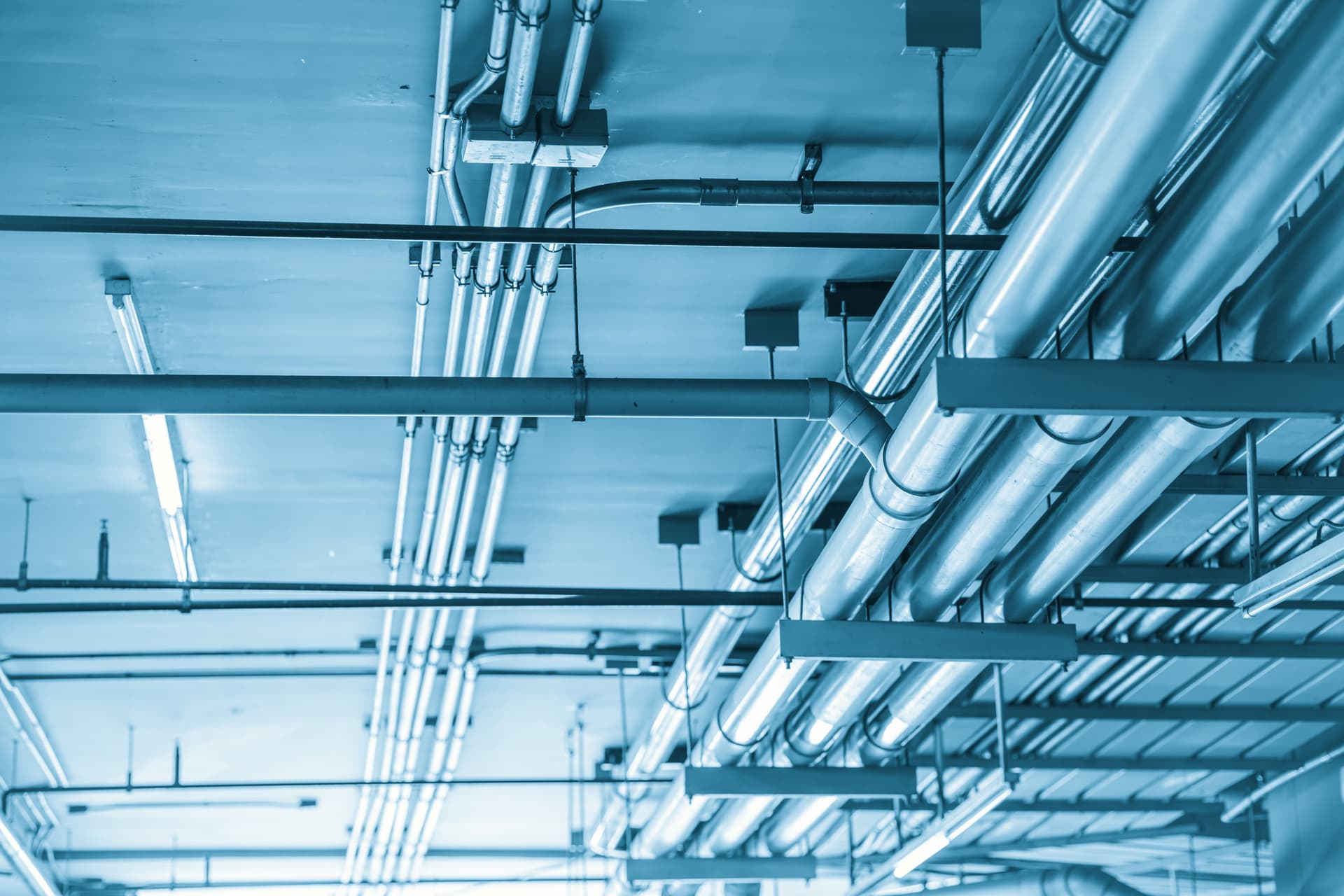
Revitalize Your Home Energy System
Water heater maintenance isn't just a routine task—it’s a vital investment in the comfort and efficiency of your home. Regular upkeep can extend the lifespan of your water heating system and prevent unexpected breakdowns, saving you time and money. Today’s homeowners are increasingly attracted to modern tankless models, which offer significant energy savings and on-demand hot water. These systems not only occupy less space but also combust fuel more efficiently, reducing overall utility costs.
In this guide, you’ll discover practical, actionable tips to keep your water heater running at peak performance. You will learn how regular maintenance can thwart common issues such as sediment buildup, corrosion, and diminished heating capacity. Highlights include:
Step-by-step maintenance routines
Energy efficiency tips tailored for local climates
Insights into the advantages of tankless systems compared to traditional tanks
By embracing these practices, you'll not only maintain a comfortable living environment but also enhance your home's energy efficiency. Dive into this guide for a deeper understanding of smart water heater solutions that align with your goals for energy conservation and long-term reliability.
Mastering Water Heater Maintenance: A Step-by-Step Guide
Keeping your water heater in peak condition can be straightforward with a clear plan. Follow these steps for effective maintenance that enhances performance and prolongs the appliance's life:
Inspect and Clean – Begin by examining the outer tank for signs of rust or leaks. Clean the surrounding area to remove debris that could affect the unit’s efficiency.
Test the Temperature Setting – Ensure the thermostat is set at an optimal level (around 120°F) to prevent both energy waste and scalding risks.
Flush the Tank – Draining sediment buildup is crucial. Turn off the water supply, connect a hose, and flush out any accumulated residues.
Check the Anode Rod – This sacrificial rod helps prevent corrosion. Inspect it annually, and replace it if it is significantly worn.
Evaluate Pressure Relief Valve – Pop the valve periodically to verify proper operation and reduce potential pressure hazards.
Tip: For homeowners in regions like Fife, WA, regular scheduled checks during seasonal changes can further safeguard your water heater’s performance and extend its useful life. This proactive approach ensures efficiency, safety, and enhanced appliance longevity.
Efficiency and Savings: Traditional vs. Tankless
In today's evolving landscape, understanding the performance differences between traditional water heaters and tankless models is key. Traditional water heaters store a large volume of heated water, often resulting in energy waste due to standby heat loss. In contrast, tankless models activate only when needed, offering significantly enhanced efficiency that can lower energy bills, especially in regions with higher utility costs.
Key comparison points include:
Energy Efficiency: Tankless systems generally reduce energy consumption by heating water on demand, while traditional heaters continuously maintain temperature.
Operating Costs: Despite higher upfront expenses, tankless water heaters often lead to lower long-term utility expenses. Traditional systems, though initially less costly, may incur higher operating costs over time.
Lifespan and Maintenance: Tankless units typically enjoy a longer operational lifespan and require less frequent maintenance compared to standard storage heaters. Traditional models might need repairs more frequently due to sediment build-up within the tank.
These actionable insights help homeowners make informed decisions in cities like Fife, Milton, and Edgewood, ensuring efficiency, cost savings, and long-term reliability in water heating solutions.
What Maintenance Does a Tankless Water Heater Require?
Tankless models require less routine maintenance compared to traditional tank water heaters, but periodic descaling and cleaning are essential to prevent mineral build-up. Regular flushing can help maintain efficiency and extend the lifespan of the unit.
How Can I Tell When Maintenance Is Needed?
Look out for signs such as inconsistent water temperature or reduced flow. If the heater struggles to meet your household demands, that may indicate a need for professional maintenance.
Are Tankless Water Heaters Energy Efficient?
Yes, they typically offer improved energy efficiency and reduced utility costs by heating water only when needed. This can be especially advantageous in regions like Fife, WA, where seasonal changes affect energy usage.
What Troubleshooting Steps Should I Consider?
Before calling a technician, check for error codes or unusual noises. Common steps include verifying gas supply or electrical connections and cleaning valve screens.
How Often Should Professional Maintenance Be Scheduled?
A yearly check-up is advisable for both tank and tankless models. This routine can help uncover potential issues early and ensure that your water heater operates efficiently all year round.
Wrapping Up and Taking Action
In conclusion, effective water heater maintenance is crucial for ensuring efficiency and longevity. Embracing regular upkeep not only minimizes unexpected interruptions but also helps maximize energy savings. With the potential benefits of tankless models, homeowners have the opportunity to upgrade to a more efficient system that offers on-demand hot water and decreased energy consumption.
To keep your water heater running smoothly, consider these actionable steps:
Schedule regular maintenance checks with trusted local experts.
Review your water heater’s manual for specific care guidelines.
Evaluate the long-term benefits and energy savings of switching to a tankless model.
By following these steps, you can maintain a high-performing water heating system that meets your household’s needs while reducing costly repairs. Your proactive efforts today will ensure a consistent, reliable hot water experience in areas like Fife, Milton, and Edgewood. Stay informed, act on these practical tips, and enjoy the comfort of a system that works efficiently for your home. Now is the time to make those smart maintenance decisions that pave the way for long-term savings and sustainability.
Share this post: